AI agronomy app
Apricot in Armenia first, then mixed orchards across Eastern and Southern Europe. Photograph, diagnose, act.
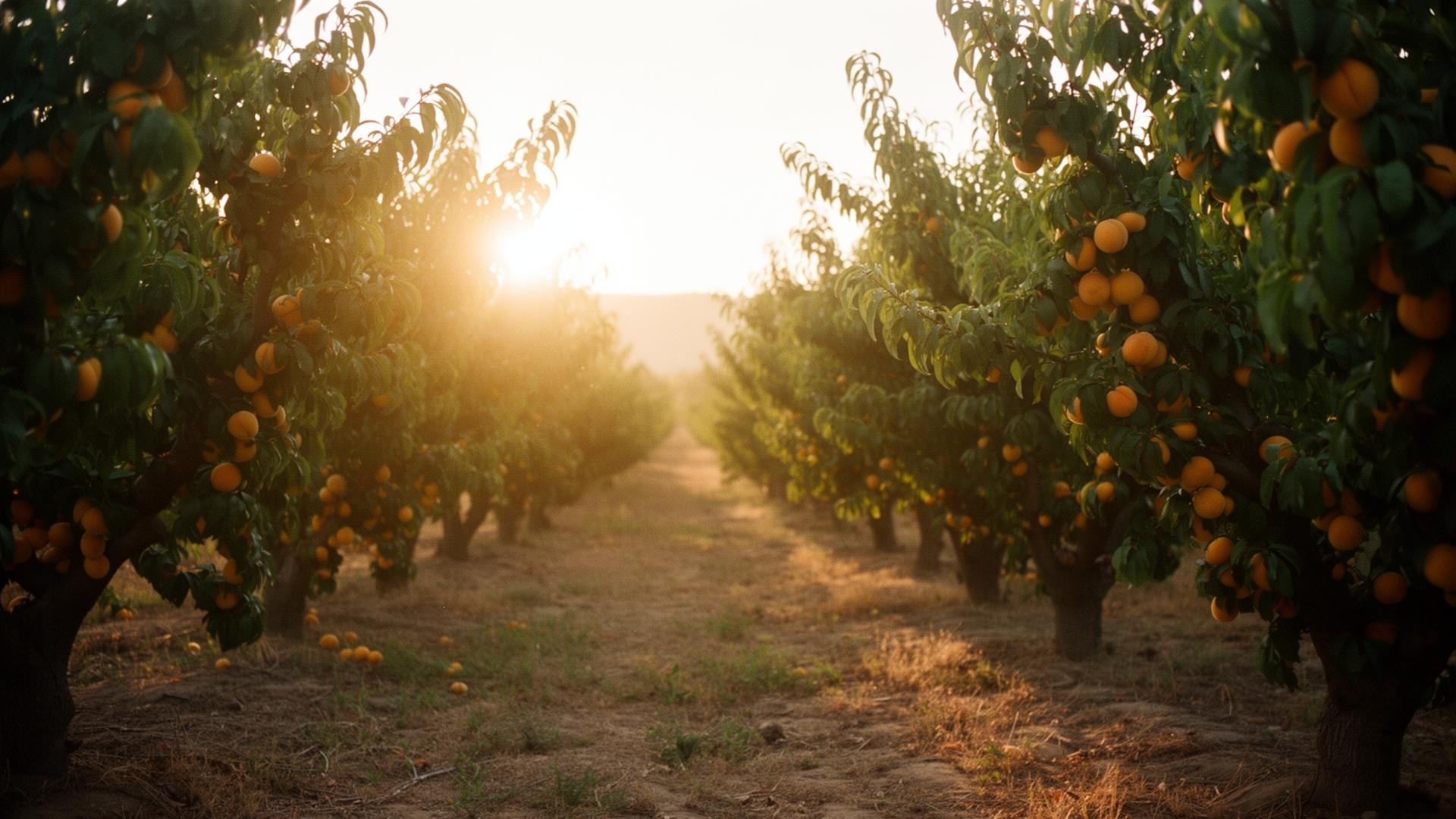
Berqo · AI agronomist
An AI agronomist in the pocket of every small-plot orchard owner. Photograph a tree. Get an answer.
“Every year my parents stress. Will the trees get worms? Will they dry out? When do we spray? We’ve planted trees that died — probably from improper care. Some years we get so much fruit we don’t know where to sell it. Some years the harvest is bad and we still don’t know what to do.”
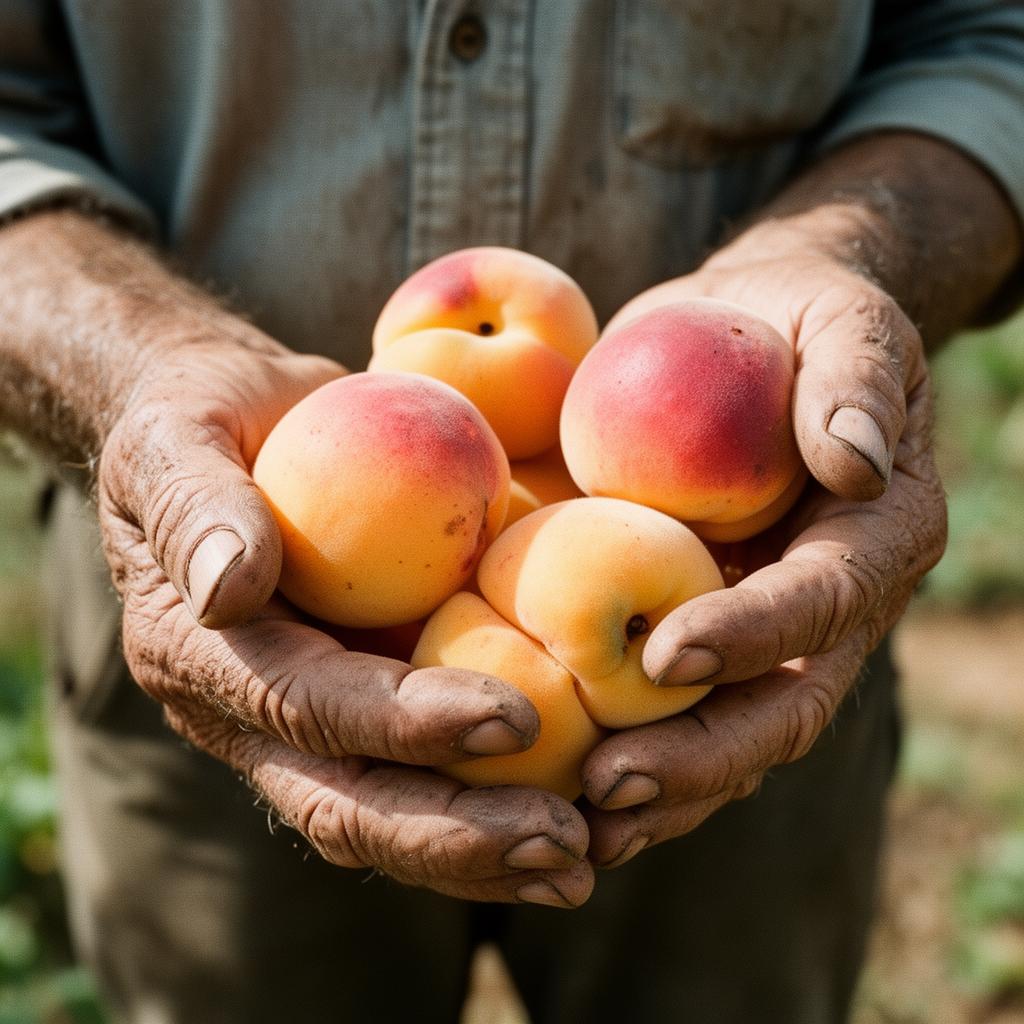
Disease, pests, the wrong watering schedule — invisible until the fruit is gone.
A single farm visit costs more than a small-plot owner earns from a season.
Good year, the fruit rots. Bad year, no market access for non-traders.
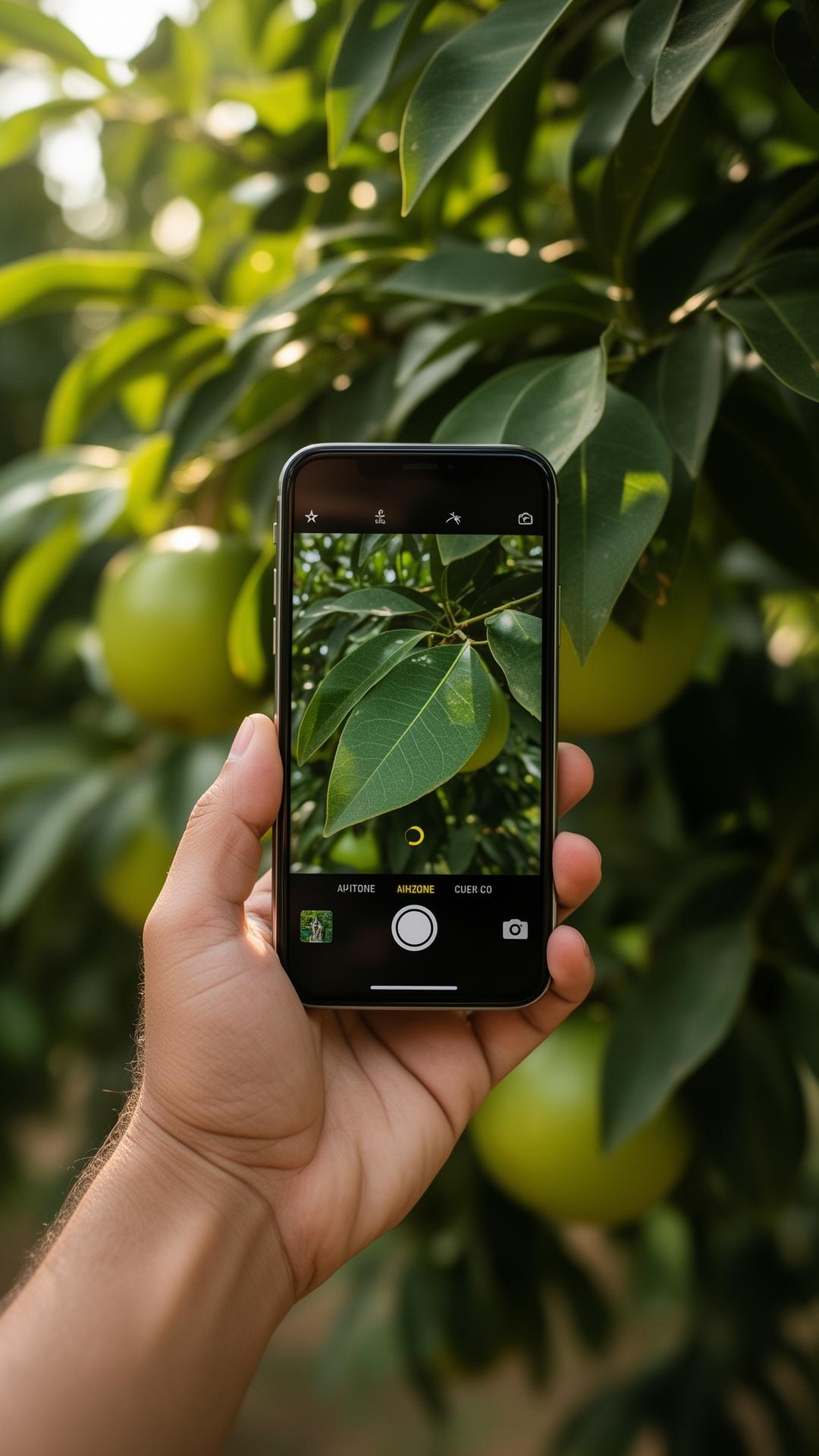
How it works
Photograph the tree, leaf, or fruit that worries you. No special equipment.
AI identifies disease, pest, or stress — vetted by human agronomists when needed. Never silently wrong.
Get a clear plan: spray this, water that, prune now. In your language. With local product names.
Built for someone who has never used a precision-agriculture tool in their life.
Roadmap
Apricot in Armenia first, then mixed orchards across Eastern and Southern Europe. Photograph, diagnose, act.
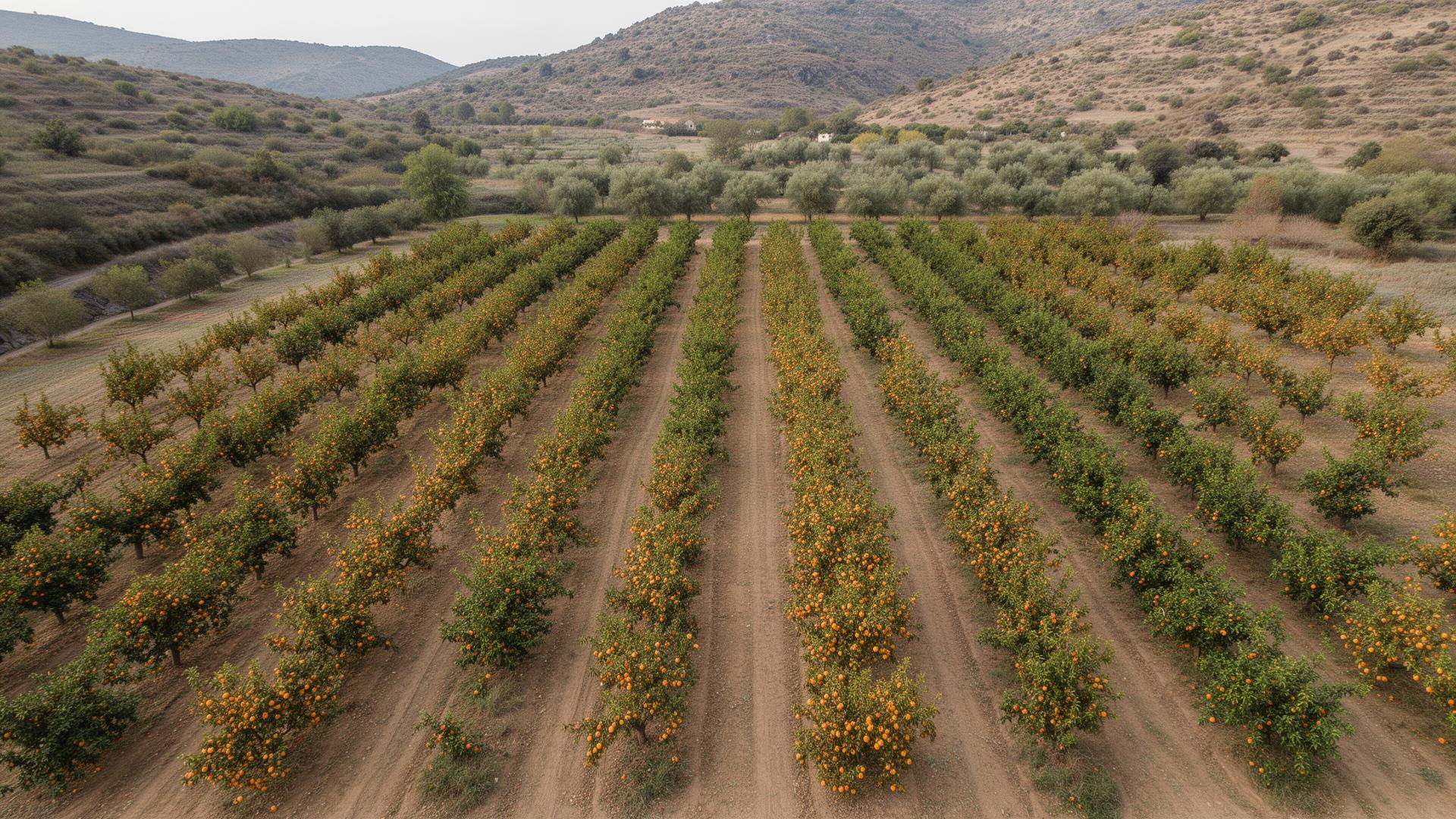
Quarterly aerial scans of your orchard delivered through partner drone operators. Same dashboard, deeper insight.
Restaurants, hotels, and local markets buying directly from you. AI-powered demand forecasting so you plant what will sell.
What exists today
Berqo
We’re launching our pilot in Armenia in the coming months, then expanding across Europe. Join the waitlist to get early access and to shape what we build.
About Berqo
Berqo is built by two technical co-founders — a computer vision PhD and a full-stack engineer with LLM-based data integration research — with over 10 years of combined experience and a family orchard in Armenia that started everything.
We’re applying to EIT Jumpstarter 2026 in the Food and Agritech category. We don’t think a small-plot owner should have to choose between losing their harvest and paying for tools built for industrial farms. We’re building the third option.